Best Dishes to Try in Japan for Hesitant Eaters
Japan's food scene can feel intimidating—raw fish, unfamiliar textures, mysterious broths. Here's a hesitant eater's guide to Japanese cuisine, from safe starting points to gentle adventures.

TL;DR — Japan is a paradise for food, and a minefield for hesitant eaters. Memorising lists of "safe dishes" only gets you so far, because every menu you actually sit down to is different. TasteBuddy solves the part that matters: once you're at the restaurant, open the app, scan the menu, and get dish recommendations matched to your own palate — not popularity, not strangers' reviews. Sit tight, skim the picks, order whatever feels right from the shortlist. Read on for the tier-by-tier guide to Japanese dishes, but the real unlock is having TasteBuddy in your pocket when you're staring at an unfamiliar menu in Tokyo at 8pm.
You've dreamed about Japan for years. The temples. The cherry blossoms. The vending machines on every corner. But there's one thing keeping you up at night: the food.
Raw fish. Fermented soybeans. Dishes that look like they're still moving. Your well-meaning friends keep saying "you HAVE to try everything"—but they're the same people who put hot sauce on their cereal.
Here's the truth nobody tells hesitant eaters: Japan is actually one of the most approachable food destinations in the world. You just need to understand which dishes match your taste profile.
Why Your Taste Profile Matters More Than "Being Adventurous"
Before we dive into specific dishes, let's reframe what it means to eat well in Japan.
Most travel food advice boils down to "be brave" and "try everything." That's useless if you don't know what to try. A dish that delights one person can genuinely ruin another person's meal—not because either palate is wrong, but because they're calibrated differently.
Japanese cuisine spans an enormous range of flavor profiles: intensely savory broths, delicate raw preparations, fermented funk, subtle sweetness, and textures that range from crispy to chewy to gelatinous. Knowing where you land on each of these dimensions is far more useful than generic bravery.
If you love rich, savory comfort food, tonkotsu ramen will feel like home. If umami overwhelms you, that same bowl will be a slog. Neither reaction is "wrong"—they're just different palates.
The real question isn't "what's popular in Japan?" It's "what in Japan matches my taste profile?"
The "Start Here" Tier: Familiar Flavors, Japanese Excellence
These dishes feel comfortable on first bite. They're the ones you order when you're jet-lagged, overwhelmed, or just want a guaranteed win.
Tonkatsu (Breaded Pork Cutlet)
Taste profile: Savory, mild, with a sweet-tangy sauce. Zero spice. Crispy texture.
Think of it as Japan's answer to schnitzel. A thick pork cutlet, panko-breaded, deep-fried to golden perfection, served with shredded cabbage and a fruity tonkatsu sauce.
There's nothing challenging here—just crispy, juicy, satisfying. The sauce leans sweet with a slight tang, so if you prefer less sweetness, dip sparingly or ask for it on the side. The cabbage is there to cut through the richness; don't skip it.
Who'll love it: Anyone who enjoys fried comfort food. If you like chicken schnitzel, chicken-fried steak, or even a good chicken sandwich, tonkatsu is an easy yes.
Who might struggle: If you find fried food too heavy or greasy, or if you're sensitive to pork, this isn't your starting point.
Karaage (Japanese Fried Chicken)
Taste profile: Savory, ginger-forward, mild soy depth. No heat. Crispy outside, juicy inside.
Bite-sized pieces of chicken marinated in soy, ginger, and garlic, then fried until impossibly crispy. The marinade adds flavor without heat—this is as safe as fried chicken gets.
The ginger note is subtle but present. If you've ever enjoyed ginger in stir-fries or even ginger ale, you'll recognize it as a familiar warmth rather than anything challenging.
Who'll love it: Fried chicken fans. If you enjoy Korean fried chicken, Nashville hot chicken (minus the heat), or even good pub-style chicken tenders, karaage is your gateway.
Who might struggle: The ginger-soy flavor is mild, but if soy sauce tastes "too Asian" to you, this might not click immediately.
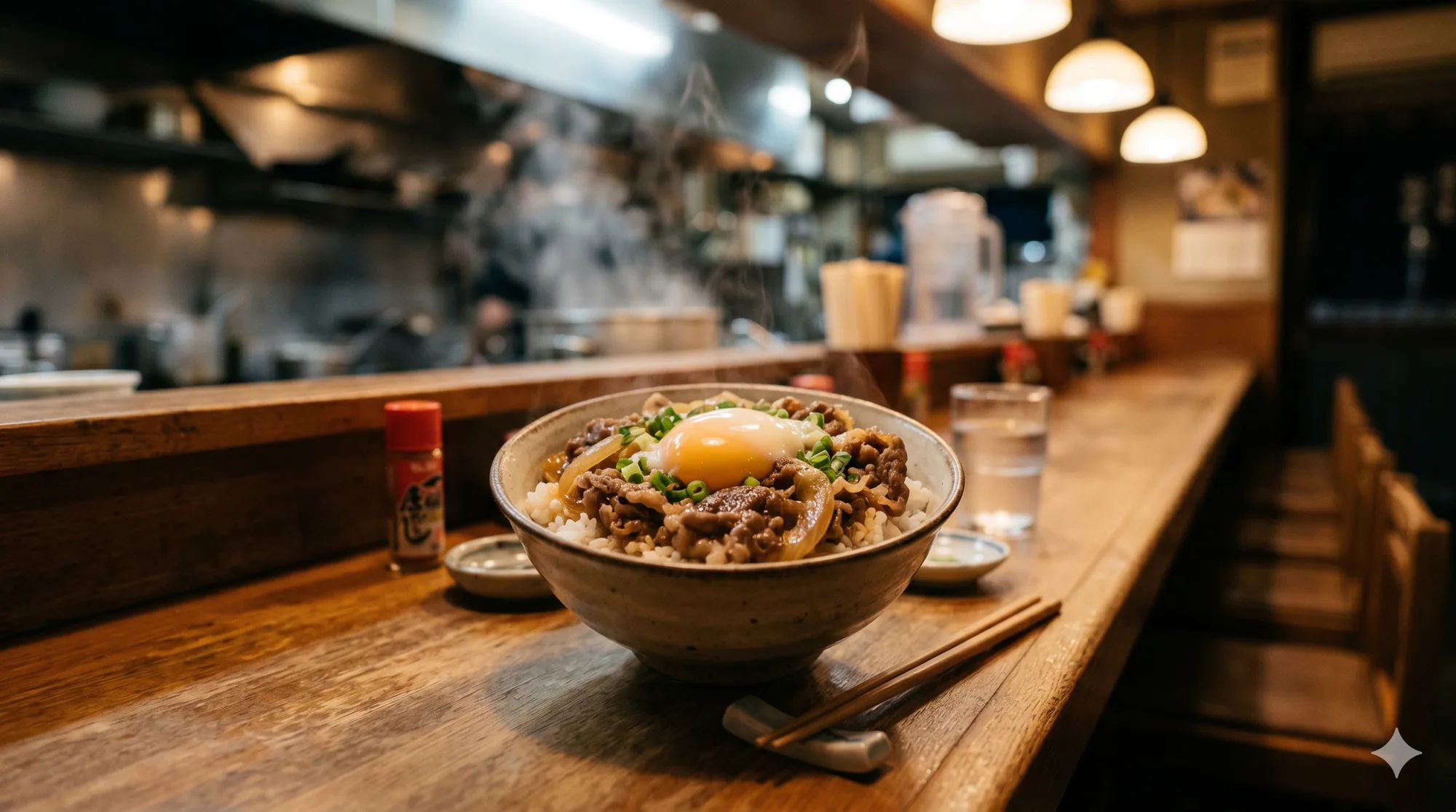
Gyudon (Beef Bowl)
Taste profile: Sweet-savory, mild umami, comforting. Soft textures throughout.
Thinly sliced beef simmered in a sweet soy broth, served over rice. It's fast food done right—warm, deeply comforting, and impossible to mess up.
The flavor leans sweet. If you've ever enjoyed teriyaki sauce or bulgogi, you already know this taste profile. The beef is tender, the onions are soft, and the rice soaks up the sauce. It's the Japanese equivalent of a warm hug.
Who'll love it: Comfort food seekers. If sweet-savory flavors appeal to you—think teriyaki, honey soy, or even a good barbecue sauce—gyudon is guaranteed to satisfy.
Who might struggle: If you find teriyaki-style sauces too sweet, or if soft textures bother you, this might feel one-note.
The "Gentle Adventure" Tier: Familiar Concepts, New Flavors
Ready to push slightly outside your comfort zone? These dishes introduce Japanese flavors without demanding a palate overhaul—but knowing your taste profile helps you pick the right version.
Ramen
Taste profile: Varies wildly. Can be light and clean or rich and intensely savory.
Japanese ramen is a religious experience—rich broths simmered for hours, springy noodles, toppings that range from chashu pork to soft-boiled eggs. But "ramen" isn't one dish. It's a spectrum, and where you land depends entirely on your palate.
Know your broth:
- Shio (salt-based): Light, clean, almost delicate. Low umami intensity. Best for palates that find rich food overwhelming.
- Shoyu (soy sauce-based): Medium depth, slightly more savory than shio, but still balanced. The most universally approachable option.
- Tonkotsu (pork bone): Creamy, rich, intensely savory. High umami. If you love heavy, comforting broths, this is transcendent. If umami overwhelms you, this will be a struggle.
- Miso: Bold, slightly funky, with fermented depth. Great if you already enjoy miso soup. Challenging if fermented flavors aren't your thing.
Most ramen shops let you customize richness level—ask for "assari" (light) if you want to dial it back.
The texture factor: Ramen noodles have a specific chewiness that's different from Italian pasta. Most palates adapt quickly, but if you're texture-sensitive, know it's coming.
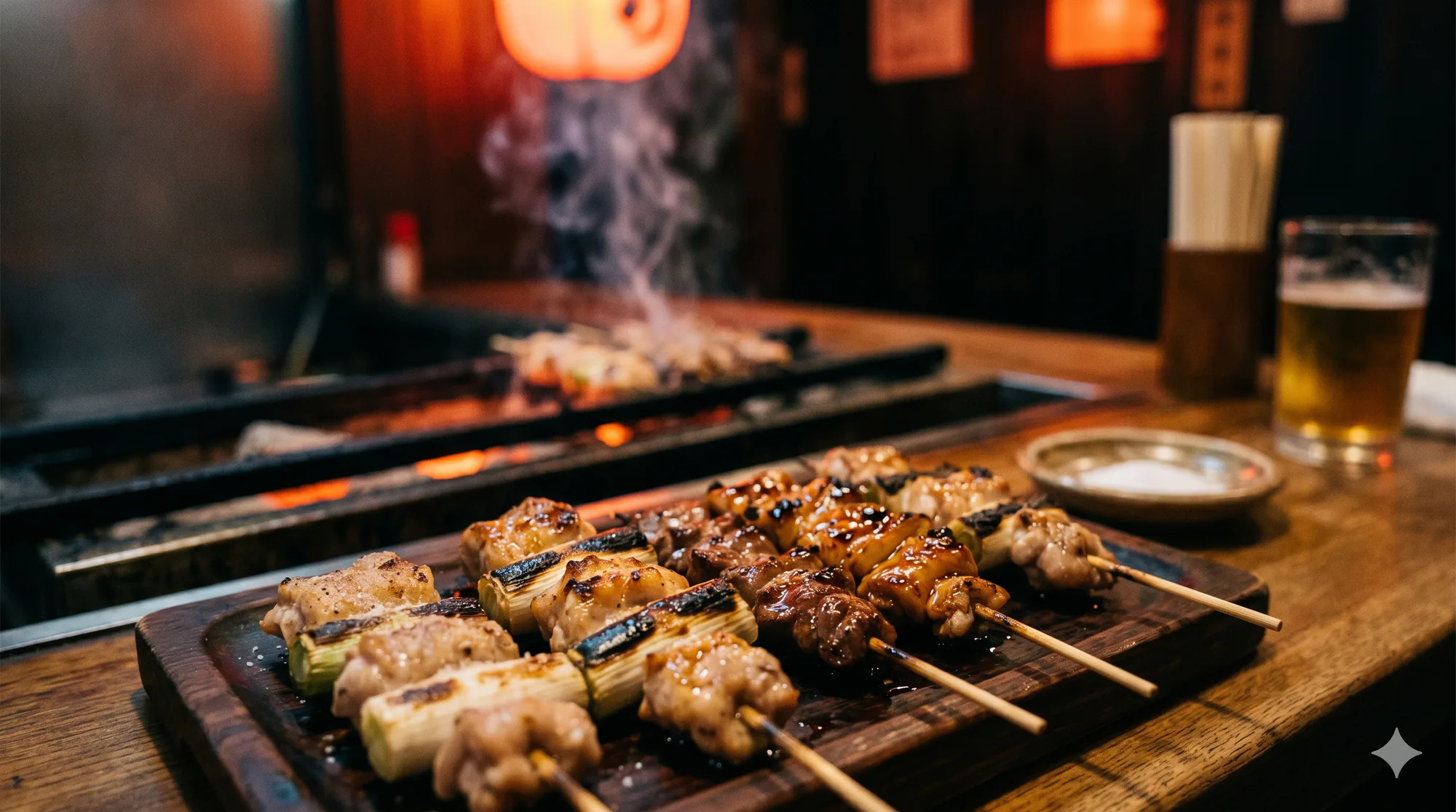
Yakitori
Taste profile: Smoky, savory, with either salt or a sweet-salty glaze. Simple, direct flavors.
Skewered chicken, grilled over charcoal. The beauty of yakitori is control—you choose exactly what you want, piece by piece.
Two seasoning styles:
- Shio (salt): Pure chicken flavor with smoke. Clean, simple, lets the meat speak.
- Tare (sauce): A sweet-salty glaze, caramelized from the grill. Richer, more complex, but still approachable.
Safe starting points: Thigh (momo) and chicken-with-scallion (negima) are universally crowd-pleasing. The meat is familiar; the preparation just makes it better.
Adventure options: Skin (kawa), cartilage (nankotsu), and gizzard (sunagimo) are available if you want to explore—but only when you're ready. Your taste profile doesn't change overnight, and there's no shame in sticking with what you enjoy.
Tempura
Taste profile: Light, crispy, letting ingredients shine. Mild sweetness from the batter, served with a light dipping sauce.
Vegetables and seafood in a delicate batter, fried until crispy but not heavy. Unlike Western fried foods, tempura feels almost light—the batter is thin, and the focus is on the ingredient inside.
The dipping sauce (tentsuyu) is mild and slightly sweet. You can also dip in salt if you prefer even simpler flavors.
Safe starting points: Vegetable tempura (yasai) lets you skip seafood entirely. Sweet potato (satsumaimo) and eggplant (nasu) are crowd favorites. Shrimp tempura (ebi) is mild if you enjoy shrimp in other preparations.
Who'll love it: Anyone who enjoys fried vegetables or light seafood. If you like fried zucchini, fried shrimp, or vegetable fritters, tempura is an easy win.
The "Brave Day" Tier: Worth the Leap
These dishes ask a little more of you. They might challenge a texture, introduce an unfamiliar flavor, or require you to trust the process. But they're also where the magic happens—and knowing your taste profile helps you pick the right moment.
Sushi
Taste profile: Varies by topping. Ranges from mild and sweet to briny and ocean-forward.
Raw fish intimidates a lot of first-timers, but sushi is actually a spectrum. You can ease in gradually, starting with cooked options and working toward raw as your palate adjusts.
The hesitant eater roadmap:
- Start cooked: Tamago (sweet egg omelet) is mild and slightly sweet—basically a warm hug in sushi form. Ebi (cooked shrimp) and unagi (grilled eel with sweet sauce) are also fully cooked and familiar.
- Graduate to mild raw: Salmon (sake) is buttery and mild—the most forgiving raw fish. Tuna (maguro) is clean and lean, with a subtle ocean taste.
- Skip for now: Uni (sea urchin) is creamy and briny—an acquired taste. Ikura (salmon roe) pops in your mouth, which is a texture hurdle. Anything that looks gelatinous or unfamiliar can wait.
The rice matters: Sushi rice is seasoned with vinegar and a touch of sugar. If you're sensitive to vinegar tang, this might take adjustment.
Wasabi warning: Wasabi is often applied by default. If you're heat-sensitive or just want to taste the fish, ask for "wasabi nuki" (no wasabi).
Okonomiyaki (Savory Pancake)
Taste profile: Savory-sweet, umami-rich from the sauce, with varied textures from cabbage, meat, and toppings.
A thick, savory pancake loaded with cabbage and your choice of protein, topped with a sweet brown sauce, mayo, bonito flakes, and seaweed powder. It's messy, interactive, and more approachable than it looks.
The flavor profile: The sauce is the star—sweet, tangy, with deep savory notes. If you enjoy barbecue sauce or Worcestershire-based flavors, you'll feel at home. The mayo adds richness; skip it if you don't like mayo.
The texture thing: Bonito flakes on top appear to "dance" from the heat—they're not alive, just reacting to steam. Some people find this delightful; others find it unsettling. Either reaction is valid.
Best starting point: Pork (buta) okonomiyaki is the most familiar filling. Seafood versions add complexity that might overwhelm first-timers.
Udon
Taste profile: Mild, clean, with savory dashi broth. The main event is texture—thick, chewy noodles.
Thick wheat noodles in a light broth. The flavors are gentle and approachable, but the texture is the real conversation.
Udon noodles are chewy. Not al dente like Italian pasta—actually springy and substantial. Most palates adjust quickly and come to love it, but if you're texture-sensitive, this is your main hurdle.
The broth: Dashi (the base broth) is light, slightly smoky, with subtle umami from kelp and bonito. It's far gentler than ramen broth—think "soothing" rather than "intense."
Gentlest entry point: Kitsune udon comes with sweet fried tofu that adds familiar sweetness. The tofu balances the chewiness with a softer texture.
The "Know Your Limits" Dishes
Some Japanese foods are famous but not hesitant-eater friendly. Here's an honest assessment—not to scare you off, but to help you make informed choices.
Natto (Fermented Soybeans)
Taste profile: Pungent, funky, with intense fermented aroma. Sticky, stringy texture.
Let's be real: natto is an acquired taste even for many Japanese people. It's sticky, stringy, pungent, and has a texture that can only be described as "challenging."
If fermented foods like strong cheese, kimchi, or blue cheese appeal to you, natto might click. If those flavors make you recoil, natto will not be your breakthrough moment.
Honest take: Try it once if you're genuinely curious, but don't feel obligated. This is not a referendum on your adventurousness.
Sashimi (Raw Fish Without Rice)
Taste profile: Pure fish flavor, unmasked by rice or seasoning. Ranges from buttery to briny.
Sashimi is raw fish without the rice to soften the experience. The quality in Japan is exceptional, but this is an intermediate-level commitment.
Honest take: Try it after you've successfully enjoyed sushi. The lack of rice means the fish flavor is front and center—more intense, more "ocean," less mediated.
Fugu (Pufferfish)
Taste profile: Delicate, subtle, almost neutral. The experience is about texture and exclusivity.
Famous for being potentially lethal if prepared incorrectly, fugu requires licensed chefs. The actual flavor? Subtle to the point of underwhelming for many palates.
Honest take: This is more about the story than the taste. If you're hesitant about food in general, spending significant money on something that might not register as delicious seems counterproductive. Skip it unless the bragging rights matter to you.
Regional Flavors: What Changes Where
Japan's food scene varies by region, and so do the dominant taste profiles.
Tokyo: Everything. The city is a food playground with every cuisine and comfort level represented. If a dish exists in Japan, you can find it here.
Osaka: Known for bold, savory street food. Takoyaki (octopus balls) are more approachable than they sound—the octopus is subtle, and the crispy-soft texture is addictive. The city leans into sweet-savory sauces.
Kyoto: More delicate, subtle flavors. Tofu cuisine (yudofu) is gentle and elegant—perfect for palates that find bold flavors overwhelming.
Hokkaido: Rich, hearty food to match the cold climate. Soup curry is a standout—warming, aromatic, and more approachable than the thick Japanese curry found elsewhere.
Fukuoka: Hakata ramen country—creamy tonkotsu broth is the signature. If you love rich, umami-heavy food, this is your region. If you don't, proceed with awareness.
How to Navigate Any Menu
Even with this guide, you'll encounter menus that stump you. Here's the mindset that helps:
Know your non-negotiables. What textures do you avoid? What flavor intensities overwhelm you? What ingredients are dealbreakers? Having clarity on your own profile is more valuable than memorizing Japanese food vocabulary.
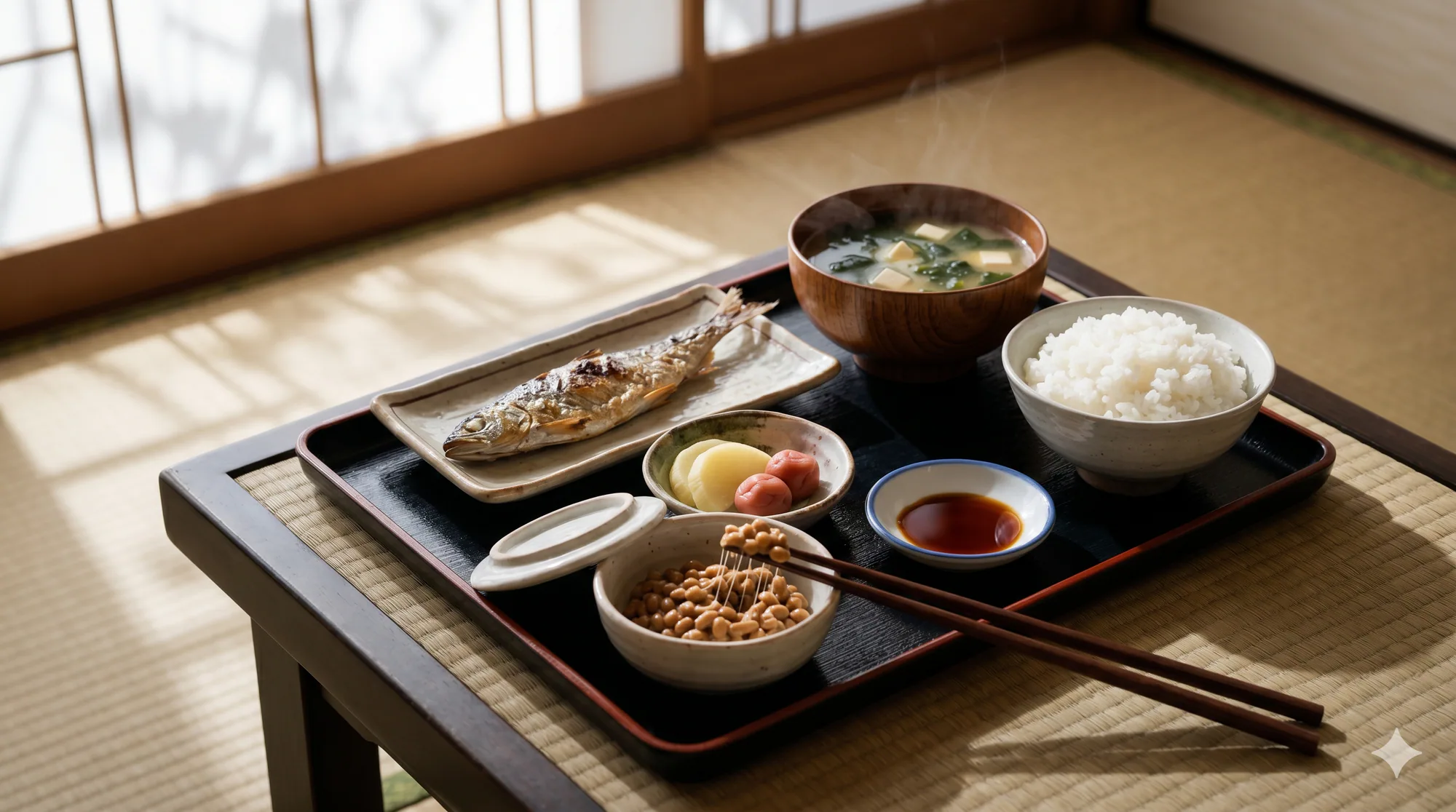
Set meals reduce decision fatigue. "Teishoku" (set meal) gives you a balanced selection without requiring individual decisions. It's also a low-risk way to try several things at once.
Picture menus exist everywhere. Point at what looks good. No shame in it. Many restaurants also have plastic food displays (sampuru) outside—use them.
The real game-changer? Knowing your taste profile before you arrive, and having a tool that can translate unfamiliar menus into personal recommendations.
That's exactly why I built TasteBuddy. Scan any menu, get dish recommendations based on your actual palate—not what's popular, not what strangers liked, but what you'll enjoy. It's the difference between gambling on random pictures and ordering with confidence.
The Mindset Shift That Changes Everything
Here's what I wish someone had told me before my first Japan trip: being a hesitant eater doesn't mean you can't have incredible food experiences. It just means you need better information.
The travelers who have the best food experiences aren't necessarily the most adventurous. They're the ones who know themselves—who understand their own palate well enough to make informed choices.
You don't have to force yourself to eat natto to "really experience Japan." You don't have to pretend you love something you don't. The goal isn't to eat everything. It's to find the dishes that genuinely delight you.
Your taste profile is portable. It travels with you. Once you understand it—your comfort zones, your edges, your genuine preferences—every menu in Japan becomes a conversation, not a minefield.
Some of my best meals in Japan were simple: a perfect bowl of udon, a crispy tonkatsu, karaage from a convenience store at midnight. None of these required bravery. They just required knowing what I'd enjoy.
That's the real secret. Not becoming a different eater. Just becoming a more informed one.
TasteBuddy helps you understand your taste profile and find dishes you'll actually love—anywhere in the world. Scan a menu, get recommendations matched to your palate.