Why a 5-Star Review in Tokyo Won't Help You in Tokyo
Ratings tell you what others like. They don't tell you what YOU'LL like—especially when you're navigating cuisines built on entirely different flavor foundations.
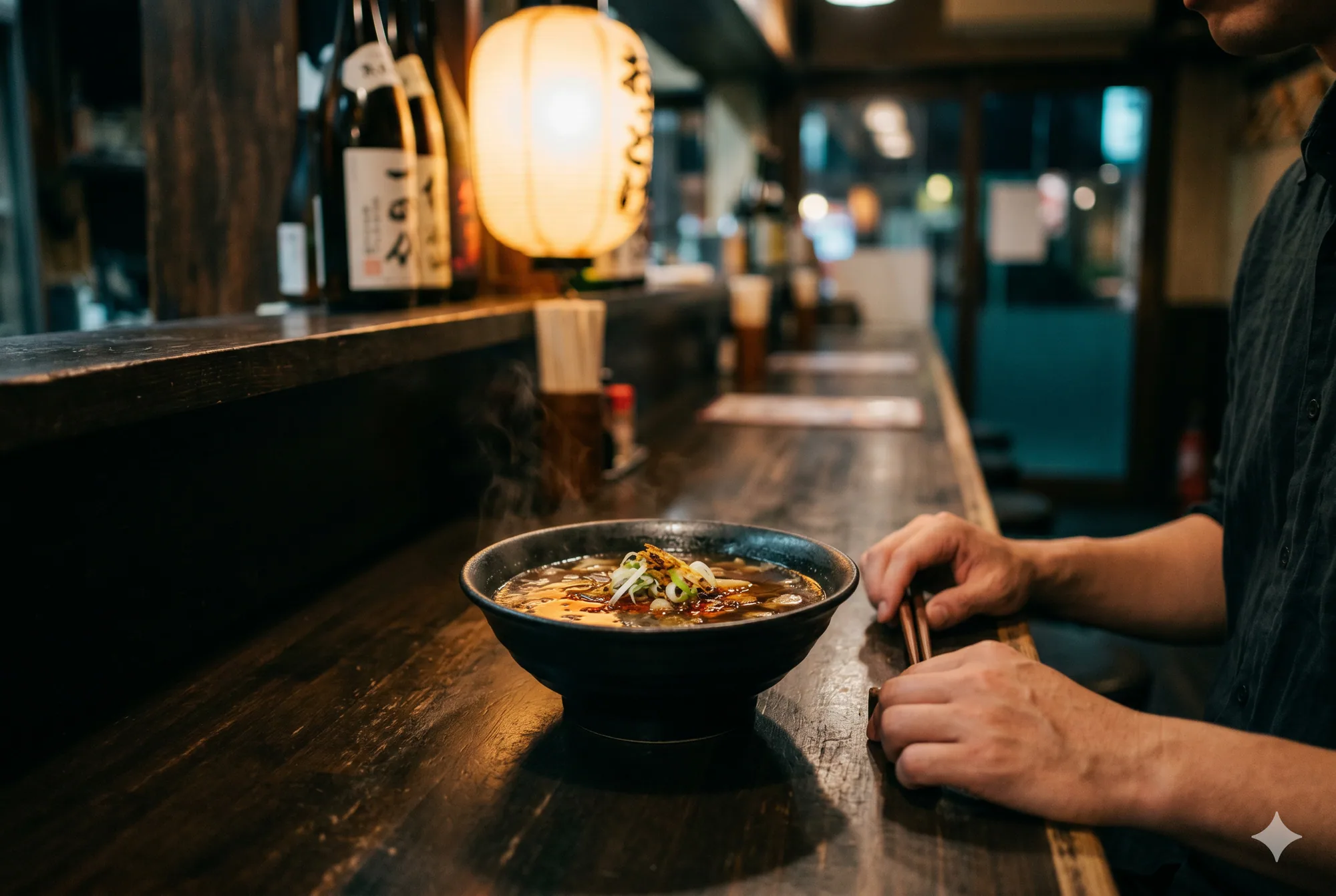
Picture this: You're in Tokyo. After scrolling reviews, you land at a 4.8-star izakaya locals love. You order the signature dish everyone calls "absolutely essential."
It arrives. You take a bite—and hate it.
Not because it's bad. The execution is flawless. The flavors are authentic. The chef clearly knows what they're doing. You just don't enjoy it.
You sit there, confused. 4.8 stars. Hundreds of glowing reviews. Did you order wrong? Is your palate broken?
No. You just discovered the fundamental flaw in how we choose what to eat abroad.
Ratings Answer the Wrong Question
Here's the uncomfortable truth: a five-star rating tells you exactly one thing—that lots of people liked this dish.
It tells you nothing about whether you will.
Think about what a rating actually is. It's an aggregate. A mathematical average of wildly different people with wildly different taste preferences, all mashed together into a single number. A person who grew up eating natto for breakfast rates the same dish as a tourist from Texas who's never encountered fermented soybeans. Their votes count equally.
When you order based on that number, you're essentially playing the odds. Sometimes you win. Often, especially when traveling, you don't.
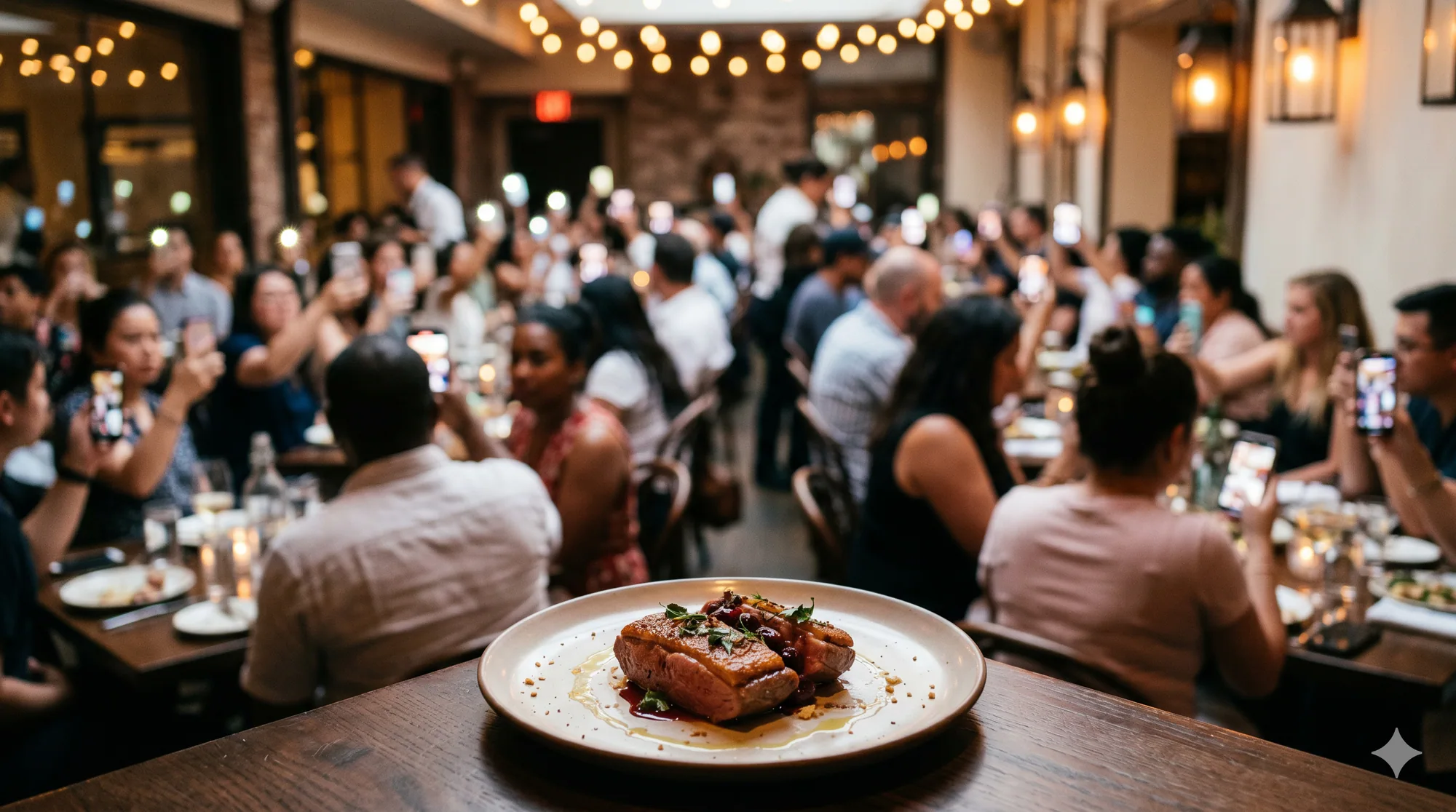
The Cross-Cultural Taste Gap Is Real
This problem gets dramatically worse when you travel. The further you go from your culinary roots, the more likely ratings will mislead you.
Why? Because taste preferences aren't universal. They're cultural.
Fermentation tolerance varies wildly. Koreans grow up on kimchi. Japanese children eat natto. Southeast Asian cuisines are built on fish sauce. These fermented flavors are baseline for billions of people—and genuinely challenging for palates that didn't develop with them. A five-star fermented dish might be a one-star experience for you.
Spice thresholds differ by orders of magnitude. What's "mildly spiced" in Sichuan would send most Scandinavians to the hospital. A Thai restaurant's "medium" heat could be a comfortable Tuesday dinner for a local and a painful ordeal for a visitor from Amsterdam. Ratings don't come with heat calibration.
Sweetness standards are all over the map. American desserts often taste aggressively sweet to Japanese palates. Japanese wagashi can taste subtly bland to Americans expecting more sugar. That highly-rated dessert café? It's calibrated for local preferences, not yours.
Texture expectations create invisible walls. Chewy tapioca pearls, gelatinous textures, gristly bits that some cultures prize and others avoid—these preferences run deep. A perfectly-rated beef tendon dish in Hong Kong might be a texture nightmare for someone raised on Western expectations of "how meat should feel."
What's "balanced" in one culture is "too much" in another. The umami-forward depth that makes a broth transcendent in Japan can taste overwhelmingly salty to palates calibrated differently. The bright acidity that defines great Vietnamese food might register as "too sour" for someone from the Midwest.
These aren't flaws in the food. They're differences in the people eating it. Ratings flatten all of this into a single meaningless number.
Why Reviews Mislead More When You Travel
Here's the uncomfortable reality about restaurant reviews in foreign countries: they're mostly written by people who are not like you.
Local reviewers have different baselines. When a Tokyo local says the tsukemen is "not too salty," they're comparing it to their lifetime of Japanese cuisine. When a Mexican reviewer says the salsa verde is "mild," they're calibrated to chiles you've maybe never encountered. Their normal is not your normal.
Tourist reviews reflect survival, not enthusiasm. Fellow travelers often rate dishes highly simply because they were edible and recognizable. "Great pad thai!" sometimes means "I was hungry, this was safe, and I didn't get sick." That's useful information. It's not a taste recommendation.
No review tells you if YOUR palate will enjoy it. A thousand five-star reviews for stinky tofu tell you it's well-prepared stinky tofu. They tell you nothing about whether you'll be able to get past the smell and appreciate the flavor. That's not something any aggregate can capture.
The ratings system was designed for a world where people mostly ate within their own culinary traditions. It breaks down the moment you cross cultural flavor boundaries.
When Ratings Actually Do Help
None of this means you should throw stars in the trash. Aggregated ratings are still a useful filter—for consistent execution, basic hygiene, and avoiding obvious tourist traps. A place that holds 4.5+ over hundreds of reviews is probably not randomly poisoning people. In countries where review fraud exists, the pattern of reviews (photos, specificity, local-language volume) still beats picking a door at random.
Ratings also work better when the question is "is this restaurant competent?" than "will I love this specific dish?" A highly rated kitchen is more likely to nail texture, timing, and seasoning on something on the menu. The failure mode isn't "bad food." It's "great food calibrated for palates that aren't yours."
So use ratings to narrow the field. Then, once you're seated, stop outsourcing the last decision to strangers. That's the handoff—from popularity as a gatekeeper to your own taste language for the actual order.
If you want a rule of thumb: stars choose the restaurant; dimensions choose the dish. When those two jobs blur together, you get the Tokyo izakaya problem—excellent execution, wrong personal fit—and you walk out wondering if the fault was yours. It wasn't. The tool was just answering the wrong question at the wrong moment.
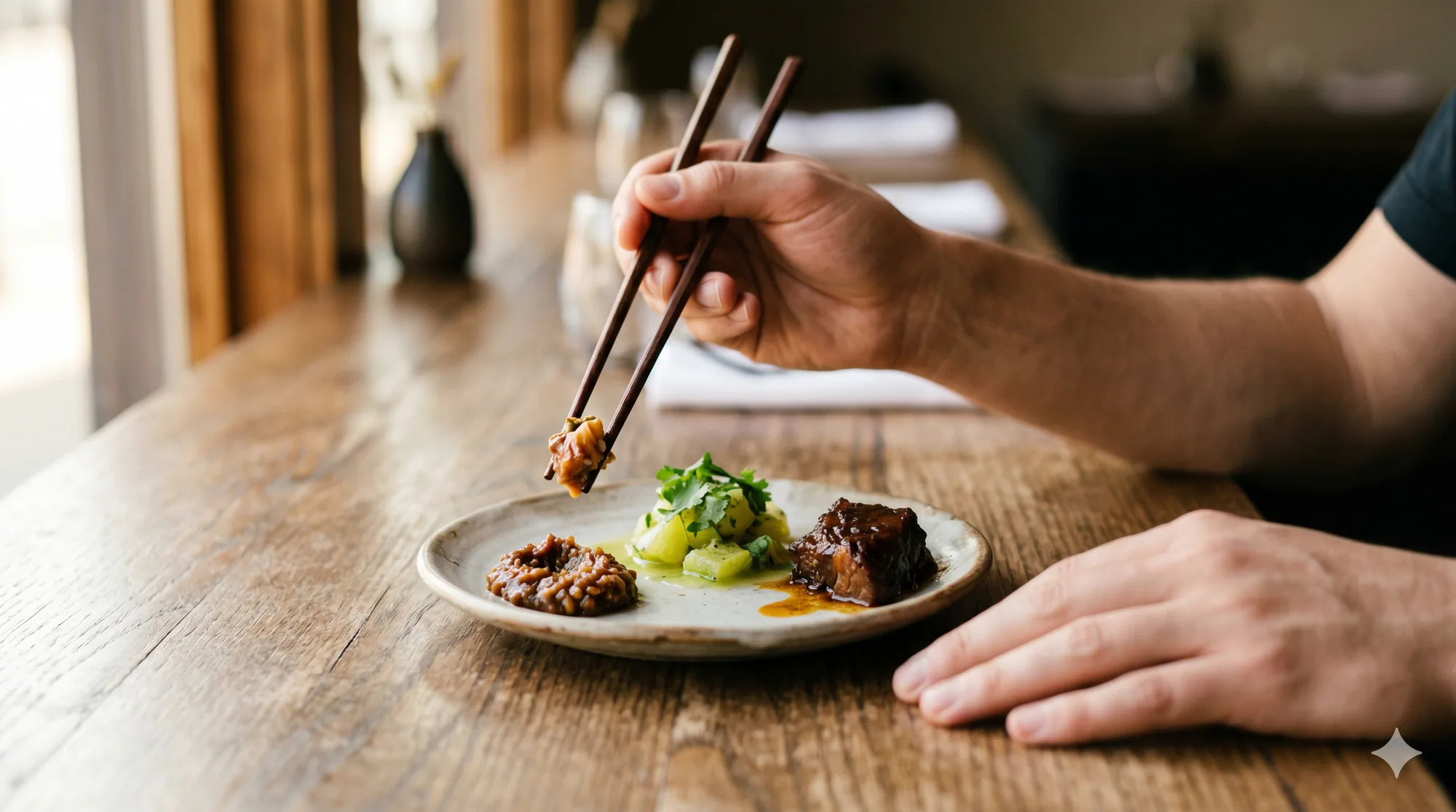
What Actually Works: Speaking Your Own Taste Language
Here's what I've learned after years of food disappointments abroad: the only reliable guide is your own palate.
Not what others like. Not what's popular. Not what the algorithm thinks you might enjoy based on what strangers clicked.
Your taste preferences—the actual dimensions of what you enjoy—are surprisingly consistent. If you love bright, acidic flavors at home, you'll probably love them in Vietnam. If heavy umami overwhelms you in your own kitchen, it'll overwhelm you in Japan. If you can handle serious heat, you can handle it anywhere.
The problem is that menus don't speak this language. They describe dishes in terms of ingredients and preparation, not in terms of flavor profiles you can actually map to your preferences.
This is what led me to build TasteBuddy—a tool that translates menus into your taste language.
Instead of asking "is this highly rated?" it asks "does this match what you actually enjoy?" Instead of popularity scores, you get personal predictions. Does this dish lean sweet? How much umami? What's the spice level relative to what you can handle?
Your taste preferences become portable. They travel with you. And suddenly, navigating a menu in Tokyo or Bangkok or Mexico City isn't about gambling on stars—it's about finding dishes that genuinely fit your palate.
A Tokyo Example, Dish by Dish
Imagine the same izakaya menu with three classics: natto, dipping tsukemen, and karaage.
Natto is fermented soy—intense umami, sticky texture, a barnyard note that some people adore and others experience as a personal attack. Stars can't tell you which camp you're in; only your tolerance for funk and slime can.
Tsukemen is concentrated broth, often salty and rich with fish and pork, plus noodles you dip. If you love deep savory depth, it might be the best thing you eat all week. If your palate reads "heavy umami" as "too much," the same bowl is a slog.
Karaage is fried chicken—crispy, juicy, usually mild. It's rarely anyone's spiritual awakening, but it's a high-floor order when you're jet-lagged and need a win.
A taste-aware read doesn't replace adventure. It replaces blind guessing. You might still try natto once—but because you chose the experiment, not because the internet averaged a thousand strangers into a number that lied to you.
How to Read Restaurant Reviews More Wisely
When you're stuck with reviews, a few habits help. Hunt for palate twins—people who mention the same likes and dislikes you have, not just five stars. Read three-star reviews; they often contain the real calibration ("delicious but shockingly salty") that five-star hype hides.
Search the dish name, not only the restaurant. You'll find travelers with your background who already tried the thing you're eyeing. Notice what reviewers complain about—"too fishy," "too sweet," "mouth-numbing"—and map those phrases to your profile. Ignore photos of other people's orders unless they show the actual menu item you're considering; plating tells you almost nothing about whether you'll enjoy the flavor stack.
None of this fixes the core problem: averages aren't personal. But it buys you signal until you have a tool that speaks in dimensions, not stars.
Stop Playing Food Roulette
Ratings are useful for one thing: identifying restaurants with consistent execution. A five-star restaurant probably prepares their dishes well. That's worth knowing.
But once you're inside, looking at a menu full of unfamiliar dishes, ratings stop helping. They can't tell you which of those well-prepared dishes you'll actually enjoy eating.
Your palate can. You just need a tool that speaks its language.
Next time you're staring at a foreign menu, overwhelmed and about to default to whatever sounds safest—remember that there's a better way. Not ratings. Not popularity. Just your own taste preferences, finally made portable.
Find dishes you'll actually love at tastebuddy.co